 Image 1 of 1
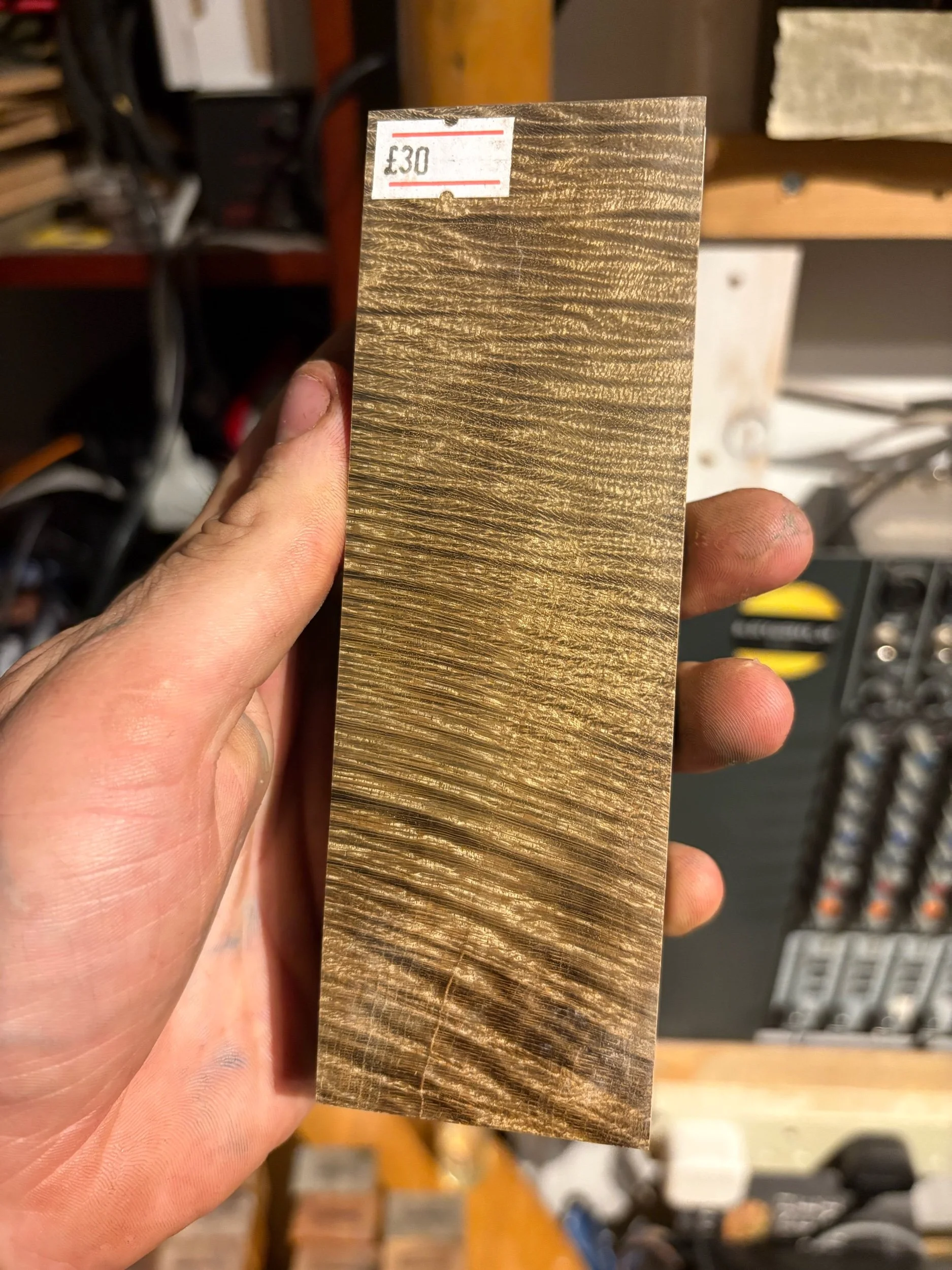
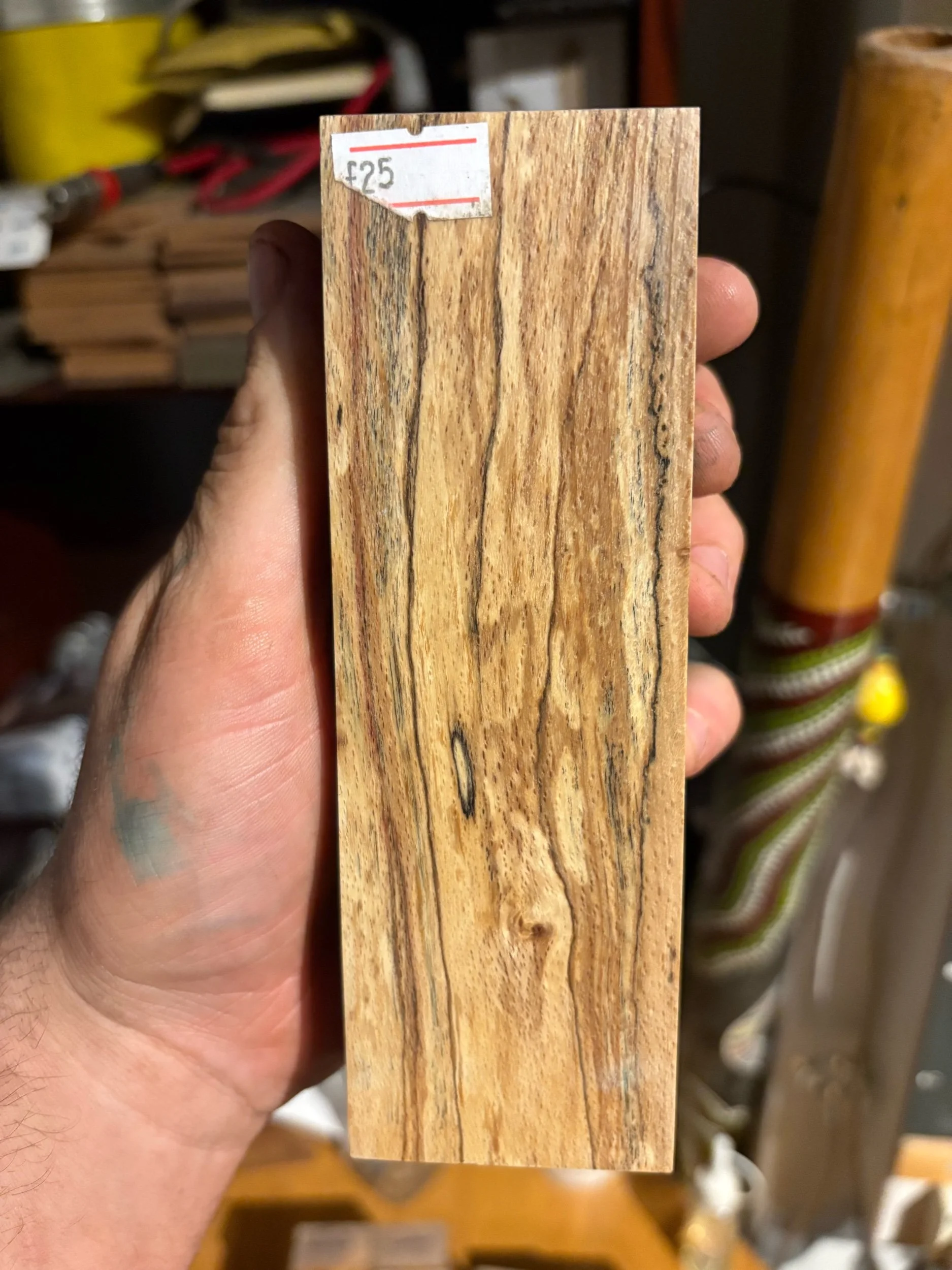
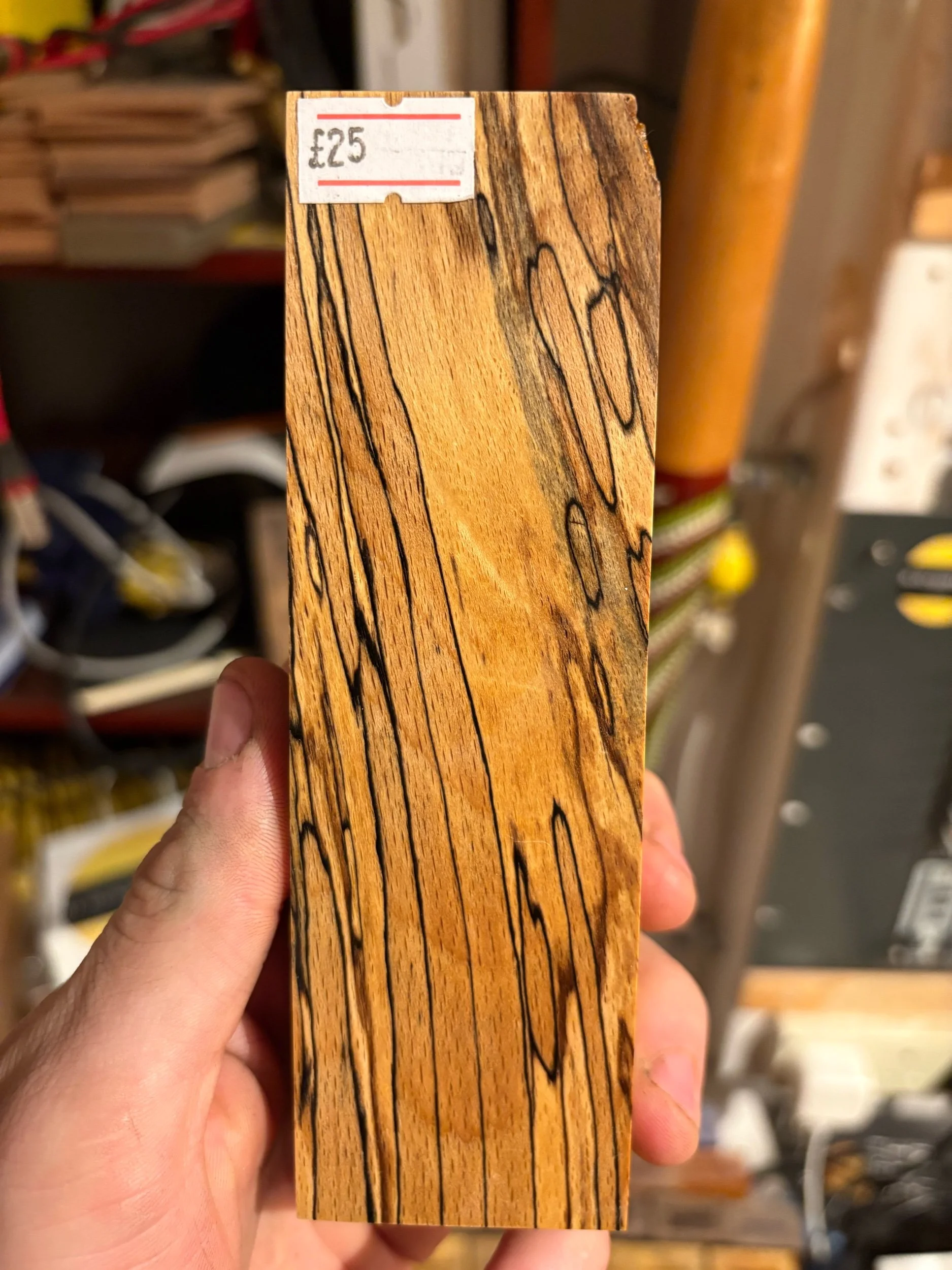
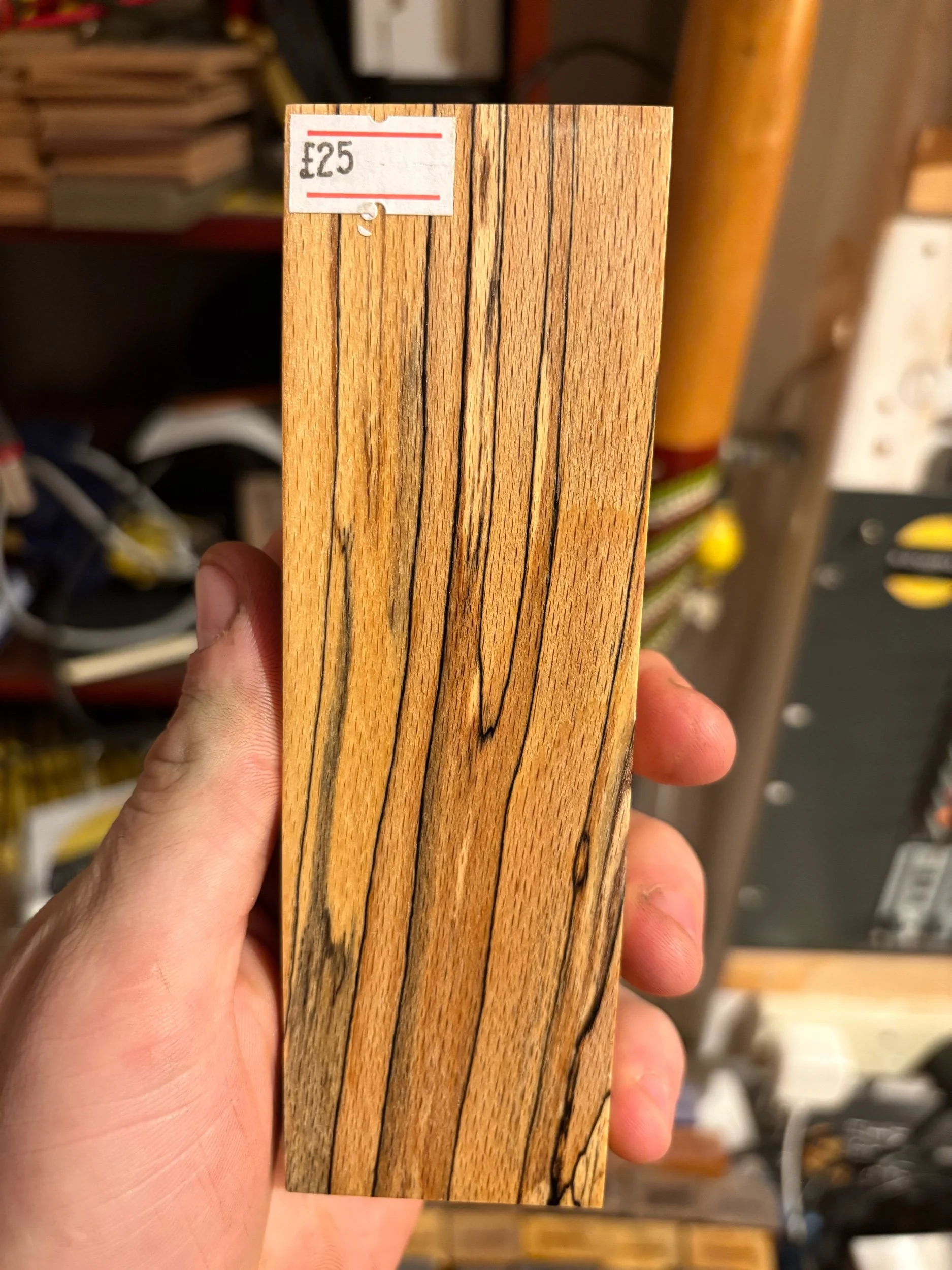
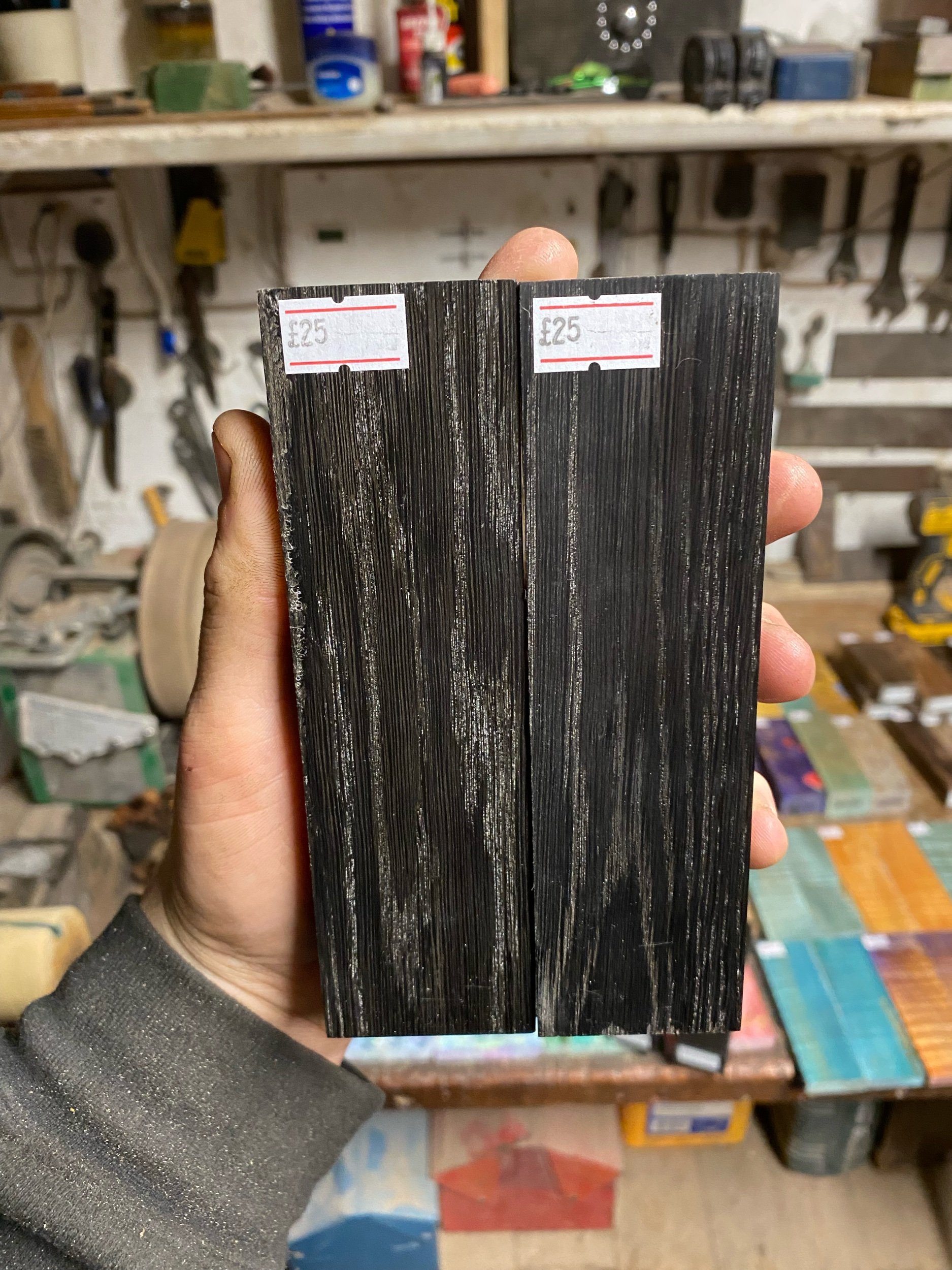
Bog oak has been a favourite among knife makers for a long time.
It is over 9000 years old and a carbon dating certificate will be provided free of charge with every block.
These pieces lay preserved for millennia in the peat bogs of Dumfriesshire. Oak that falls into peat sinks below the water table, where the absence of oxygen halts decay. Tannins in the wood react with dissolved iron to form iron tannates, darkening the timber inward along the grain.
These blocks have also been XCD stabilised, this means that this block has unparalleled dimensional stability due to its state of the art pre treatment. This proprietary process removes all of the residual oils left after vacuum drying and creates micropermeations in the cell walls. What’s left is a chemically inert block that the resin can bond to, giving you stabilised wood like no other. For more information on the XCD process the blog section explains it in depth.
Bog oak has been a favourite among knife makers for a long time.
It is over 9000 years old and a carbon dating certificate will be provided free of charge with every block.
These pieces lay preserved for millennia in the peat bogs of Dumfriesshire. Oak that falls into peat sinks below the water table, where the absence of oxygen halts decay. Tannins in the wood react with dissolved iron to form iron tannates, darkening the timber inward along the grain.
These blocks have also been XCD stabilised, this means that this block has unparalleled dimensional stability due to its state of the art pre treatment. This proprietary process removes all of the residual oils left after vacuum drying and creates micropermeations in the cell walls. What’s left is a chemically inert block that the resin can bond to, giving you stabilised wood like no other. For more information on the XCD process the blog section explains it in depth.